
Trump signs historic 14-point peace deal to end 107-day war with Iran
.gif)

Download Mobile App 






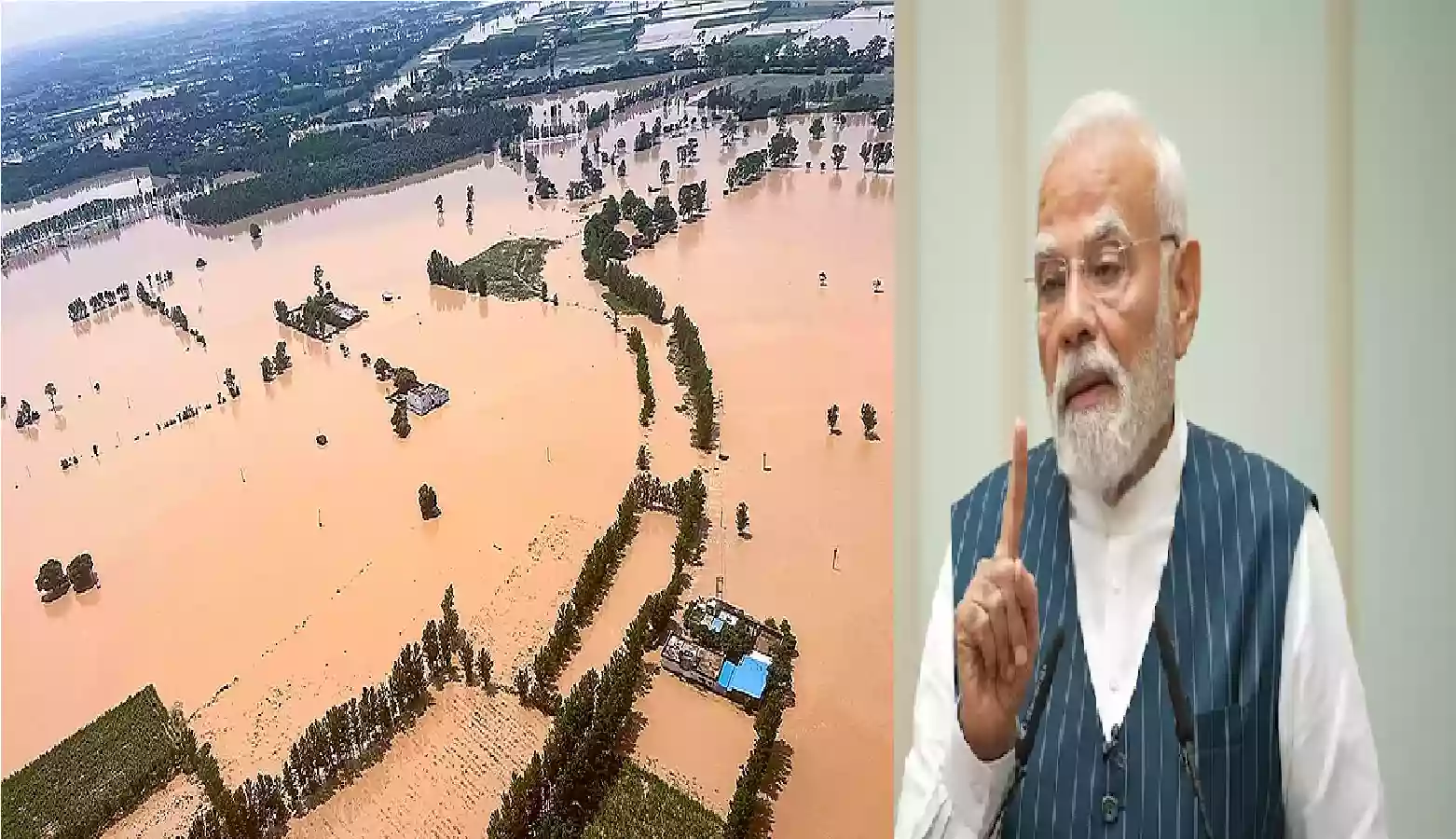
On September 9, 2025, Prime Minister Narendra Modi will visit Punjab’s flood-stricken Gurdaspur district, bringing hope to thousands of farmers and families grappling with one of the worst flood crises in decades. Relentless monsoon rains have devastated 1,900 villages across 23 districts, claiming at least 46 lives and submerging crops across 1.71 lakh hectares. Modi’s visit, announced by the BJP’s Punjab unit, aims to assess the damage firsthand, meet affected communities, and review ongoing relief efforts. Amid calls for central assistance, the visit signals a commitment to support Punjab’s recovery, with expectations high for a special relief package to address the state’s agrarian and infrastructural losses.
The floods, triggered by overflowing rivers like the Sutlej, Beas, and Ravi, have left Punjab reeling. Farmlands remain waterlogged, highways are blocked, and entire villages face the daunting task of rebuilding. Gurdaspur, Amritsar, and Tarn Taran are among the hardest-hit areas, with farmers reporting massive crop losses and livestock deaths. Modi’s itinerary includes meeting with affected families and farmers to “share their sorrow” and discuss immediate needs like silt removal from fields and disease prevention. The visit follows Union Agriculture Minister Shivraj Singh Chouhan’s inspection, which highlighted the urgent need for coordinated relief efforts between the central and state governments.
The central government has emphasized that Punjab “will not be left alone” in this crisis, with Modi expected to focus on both short-term aid and long-term solutions. Key among these is strengthening the embankments along Punjab’s major rivers, weakened by years of illegal mining and neglect. Sources indicate that the Prime Minister will push for infrastructure upgrades to prevent future flooding, alongside addressing immediate concerns like safe disposal of dead animals and restoring farmland. The BJP has underscored Modi’s visit as proof of the central government’s solidarity with Punjab, though some residents remain cautiously optimistic, awaiting concrete announcements.
However, tensions linger between the central government and Punjab’s AAP-led state government. Punjab Finance Minister Harpal Singh Cheema has criticized the Centre for not yet releasing a requested Rs 14,000-crore relief package and for delays in addressing the state’s broader financial dues, including Rs 50,000 crore lost due to GST implementation. Cheema called recent Union minister visits “photo-ops,” alleging that no substantial aid has been announced despite 15 days of crisis. This friction highlights the political undercurrents of Modi’s visit, with the AAP seeking greater support and the BJP aiming to showcase its commitment to Punjab’s recovery.
The scale of the disaster has drawn attention beyond politics, with figures like actor Sonu Sood visiting flood-affected areas like Firozpur and Fazilka to assess the situation. Local communities, supported by the Indian Army and district officials, have been working tirelessly to evacuate stranded villagers and provide relief. Yet, the economic toll on Punjab’s agrarian backbone remains staggering, with farmers facing uncertainty about their livelihoods. Modi’s visit is seen as a critical moment to address these concerns, offering not just immediate relief but a roadmap for rebuilding trust and resilience in the state.
As Punjab braces for Modi’s visit, all eyes are on the potential relief package and long-term flood management strategies. The state’s farmers, who have lost crops worth crores, are particularly hopeful for financial aid and infrastructure support to recover. With the monsoon season far from over, the visit could set the tone for how Punjab navigates this crisis and prepares for future challenges. For the people of Gurdaspur and beyond, Modi’s presence offers a glimmer of hope, but they await action that matches the promises made from the nation’s capital.


.webp)

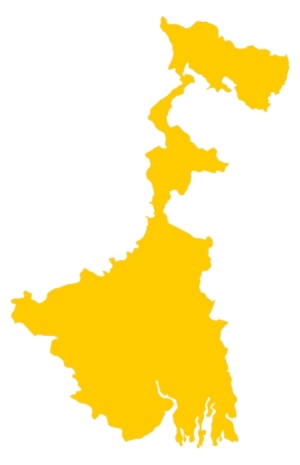 West Bengal
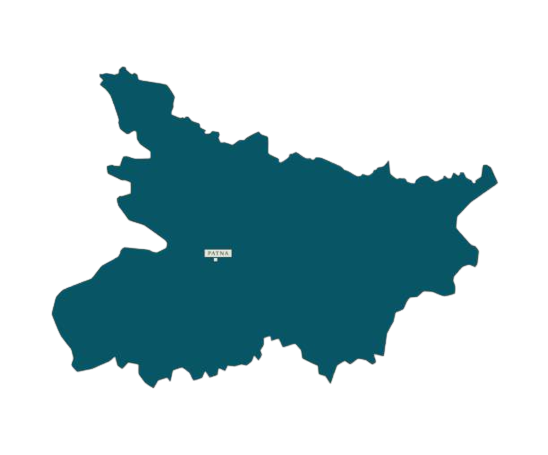 Bihar
Bihar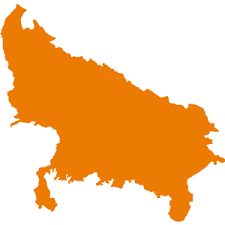 Uttar Pradesh
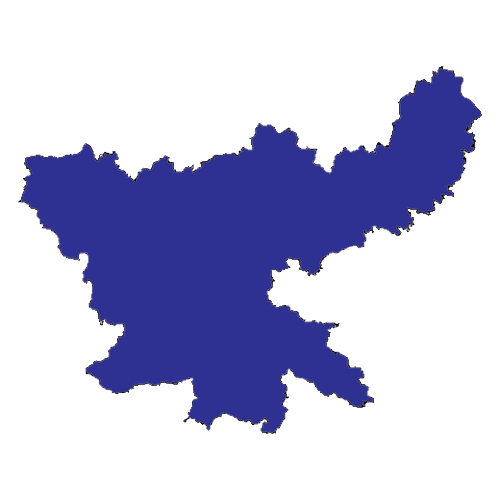 Jharkhand